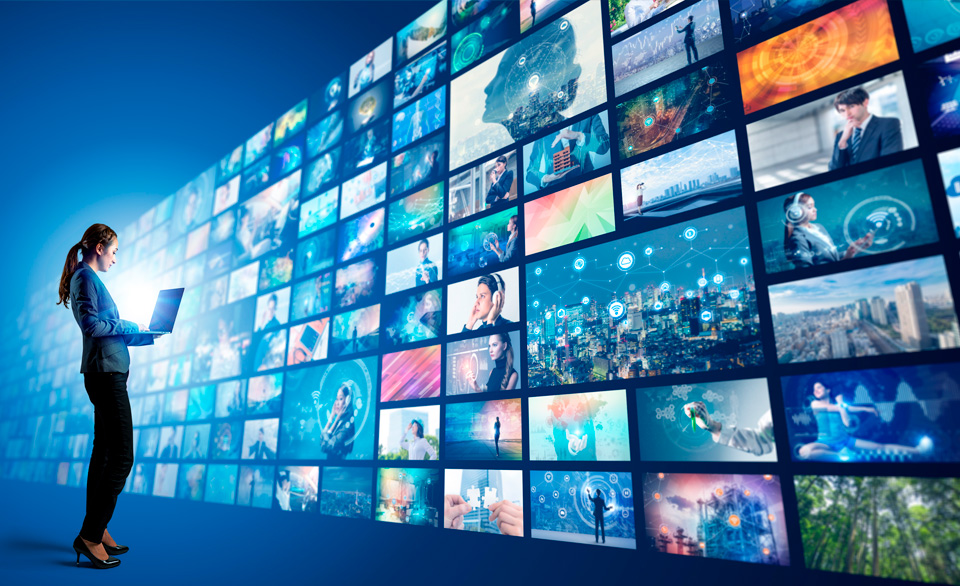
The entertainment industry is undergoing a profound transformation driven by rapid technological advancements, shifting consumer preferences, and evolving global market dynamics. The ways in which audiences discover, consume, and interact with media are entirely different than they were even a few years ago. Today, traditional media frameworks are actively adapting to keep pace with a highly digitalized, decentralized, and interactive landscape.
For businesses, creators, and investors operating within this sector, staying ahead of these structural shifts is essential for long-term survival. From the integration of artificial intelligence into content pipelines to the resurgence of hyper-personalized physical experiences, a clear set of defining trends is re-engineering the commercial entertainment ecosystem.
The Rise of Artificial Intelligence in Production and Curation
Artificial intelligence has evolved from a speculative tool into a foundational piece of technical infrastructure across the entertainment sector. Its applications span the entire value chain, radically altering how content is budgeted, manufactured, and delivered to consumer screens.
Streamlining Post-Production and Visual Effects
In filmmaking and television production, machine learning algorithms are significantly reducing the timeline required for labor-intensive post-production tasks. Tools capable of automating rotoscoping, color grading, and voice synchronization allow studios to manage technical debt and optimize production budgets. Furthermore, predictive AI models are being utilized during pre-production to analyze script structures and forecast box-office performance, giving studio executives data-backed insights before greenlighting high-budget projects.
Hyper-Personalized Recommendation Engines
Streaming platforms owe their sustained user engagement to sophisticated algorithmic curation. Modern recommendation systems look beyond basic genre tags; they analyze real-time user behavior, including watch velocity, completion rates, time of day, and device types. This deep data analysis creates a hyper-personalized content feed for every individual user, effectively maximizing subscriber retention and reducing churn rates in an increasingly crowded subscription marketplace.
Immersive Media and the Next Generation of Gaming
Gaming is no longer a sub-sector of entertainment; it has arguably become the foundational blueprint for modern media consumption. The boundaries separating cinema, social media, and interactive gaming are blurring into a single cohesive landscape.
Transmedia Storytelling and IP Expansion
Studios are increasingly leveraging established video game intellectual property to build massive cinematic universes, reversing the historical trend of creating poor game adaptations of popular films. High-fidelity television adaptations and cinematic releases of gaming franchises have proven that deeply engaged gaming communities represent highly lucrative, multi-platform audiences. This cross-pollination ensures built-in market awareness and diversified revenue streams across merchandise, streaming rights, and live interactive events.
The Evolution of Cloud Gaming and Virtual Spaces
The democratization of cloud computing has made high-end gaming experiences accessible without the necessity of expensive console or PC hardware. As low-latency infrastructure expands globally, complex, graphics-heavy virtual spaces can be streamed directly to standard smartphones and smart televisions. These virtual spaces are increasingly hosting non-gaming events, such as live virtual concerts, digital fashion previews, and interactive brand activations, transforming gaming environments into modern digital community centers.
The Resurgence of Live, Experiential, and Boutique Events
While digital consumption remains at an all-time high, there is a powerful, countervailing consumer trend demanding premium physical experiences. Audiences are showing a distinct willingness to pay a premium for tangible, memorable events that cannot be replicated digitally.
Premium Festival and Live Concert Dynamics
The live music and festival sector has experienced a massive shift toward high-end, premium hospitality options. Consumers are actively moving away from standard general admission packages in favor of curated boutique festival experiences. This includes access to air-conditioned structural lounges, artisanal catering, exclusive viewing decks, and integrated cashless RFID systems. Entertainment businesses are thriving by transforming traditional live performances into comprehensive, luxury lifestyle experiences.
Location-Based Entertainment and Immersive Theater
Location-based entertainment installations, which blend physical set design with advanced projection mapping and augmented reality, are experiencing unprecedented demand. Whether it is an interactive art exhibition or a choice-driven immersive theater production, audiences want to step inside the narrative. These installations offer massive operational advantages for operators, as physical spaces can be re-themed digitally via software updates with minimal structural reconstruction costs.
Decentralized Content and the Creator Economy
The traditional gatekeepers of media distribution are facing intense competition from independent digital networks. The creator economy has matured into a sophisticated, multi-billion-dollar corporate ecosystem.
Short-Form Video Dominance and Micro-Entertainment
The human attention span has drastically altered content formatting preferences. Short-form video platforms have normalized micro-entertainment, forcing traditional television networks and marketing agencies to restructure their content delivery styles. Short-form content serves as the primary engine for cultural trends, music discovery, and consumer purchasing behavior, with highly agile independent creators often commanding larger, more loyal daily viewing audiences than established cable networks.
Direct-to-Consumer Monetization Models
Independent creators are bypassing traditional media monetization frameworks entirely. Rather than relying solely on unpredictable programmatic advertising revenue, modern creators are building diversified business models. Through a combination of direct fan sponsorships, subscription-based exclusive content platforms, customized merchandise lines, and digital masterclasses, creators are building resilient micro-enterprises with high profit margins and direct control over their audience relationships.
Structural Metrics of the Modern Entertainment Ecosystem
To visualize how different media sectors are adapting to these modern consumer behaviors, consider the following structural overview of target demographics and primary monetization models.
| Sector | Target Core Demographic | Primary Monetization Strategy | Key Operational Challenge |
| Subscription Video On Demand | 18 to 45 Years | Monthly recurring subscriber fees | High content production costs and subscriber churn |
| Interactive Gaming & Virtual Spaces | 12 to 35 Years | In-game microtransactions and digital assets | Maintaining continuous player engagement and server stability |
| Premium Location-Based Events | 25 to 50 Years | High-tier ticket sales and premium hospitality | High physical real estate and initial infrastructure overhead |
| Independent Creator Networks | 13 to 30 Years | Brand sponsorships and direct fan funding | Algorithmic volatility and content production burnout |
Frequently Asked Questions
What impact is technological debt having on the scalability of major streaming platforms?
Technological debt occurs when platforms prioritize rapid feature deployment over clean, sustainable backend code. For streaming providers, legacy infrastructure can lead to critical server latency, slow database queries, and high operational costs during peak traffic periods, such as a major live sporting event. Addressing this debt through cloud-native architecture upgrades is vital for maintaining international platform scalability.
How are entertainment businesses navigating data privacy regulations while personalizing content?
Companies are shifting away from third-party tracking cookies toward first-party data collection models. By utilizing transparent, opt-in consent frameworks within their proprietary mobile apps and web platforms, businesses can legally gather behavioral insights. This data is anonymized and processed using edge-computing models to provide tailored content recommendations without violating strict international privacy frameworks.
Why are legacy entertainment companies investing heavily in catalog music and film rights?
Legacy entertainment portfolios represent highly predictable, low-risk financial assets. In a volatile market where producing brand-new intellectual property is incredibly expensive and commercially uncertain, classic music catalogs and iconic film rights offer steady licensing revenue through streaming platforms, cinematic synchronization, and video game integrations, acting as a reliable financial hedge.
How does the rise of hybrid event models alter the traditional venue booking process?
Hybrid models, which offer a simultaneous live physical and digital streaming experience, require venues to possess extensive technical infrastructure. Event organizers now prioritize booking venues equipped with high-speed fiber-optic connectivity, dedicated broadcast control rooms, and integrated multi-camera mounting systems, altering the standard valuation metrics for commercial event real estate.
What is the role of directional audio in the development of modern immersive experiences?
Directional or spatial audio is critical for creating true psychological immersion in virtual environments and location-based entertainment. By mimicking the way human ears naturally process three-dimensional sound waves, spatial audio algorithms adjust the audio output in real time based on the exact physical position or head movement of the listener, grounding them realistically within the digital narrative.
How do independent production houses protect themselves against unexpected production cancellations?
Modern production houses rely on comprehensive completion guarantees and specialized entertainment insurance policies. These contractual agreements protect the financial investments of stakeholders by covering losses resulting from cast illnesses, sudden regulatory shifts, or environmental disruptions. Additionally, companies utilize modular production schedules to isolate filming segments, reducing overall systemic risk.
What strategies are effective for maintaining user engagement in subscription-based media?
The most effective strategy is a balanced content release cycle that combines high-impact seasonal tentpole releases with a steady stream of localized, niche programming. This approach prevents subscription cycling, where users subscribe for a single month to watch a specific hit show and immediately cancel their plan, by ensuring there is always a continuous backlog of hyper-relevant media available for consumption.
