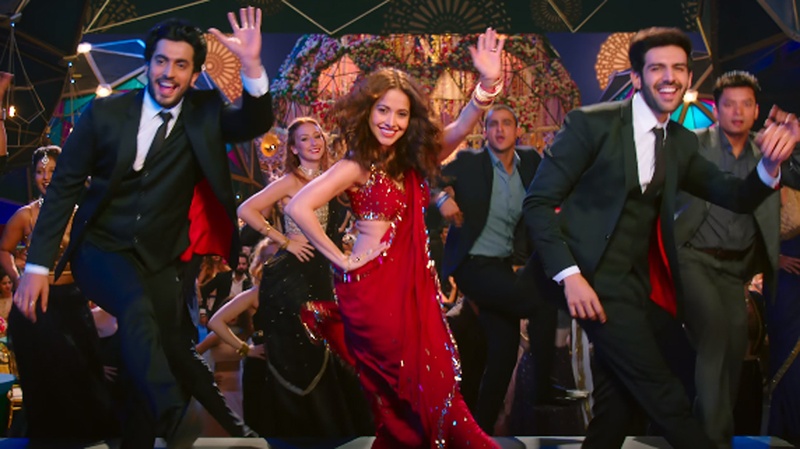
Music has a unique ability to dictate the energy of a room. Whether you are hosting an intimate backyard gathering, prepping for a massive house party, or just trying to get through a high-intensity workout, the right selection of tracks can make or break the experience. Crafting the perfect dance playlist is more than just throwing your favorite high-tempo songs into a queue. It requires an understanding of human psychology, pacing, genre blending, and sound quality.
An exceptional dance playlist feels seamless. It guides the listener through an emotional and physical journey, building excitement, sustaining high energy, and offering strategic moments of relief. By following a structured approach to curation, you can design a sonic experience that keeps people moving from the first beat to the final track.
Understand Your Audience and the Vibe
Before adding a single song to your playlist, you must identify who will be listening and what kind of atmosphere you want to establish. A playlist designed for a college house party will look vastly different from one tailored for a wedding reception or a late-night club set.
Assess the Demographics
Consider the age range, cultural background, and musical tastes of your guests. If your crowd is diverse, relying heavily on a single sub-genre of electronic dance music might alienate half the room. For mixed crowds, a blend of recognizable throwbacks, current Top 40 remixes, and classic dance-pop anthems usually yields the highest engagement.
Define the Energy Trajectory
Every great event has a natural arc. Your playlist should mirror this progression.
-
The Warm-Up: Mid-tempo tracks that encourage socializing without forcing people onto the dance floor immediately.
-
The Peak: High-energy, undeniable bangers that draw everyone to the center of the room.
-
The Cool-Down: Smoother, lower-tempo grooves that allow people to catch their breath while maintaining a positive mood.
Master the Art of Pacing and BPM
Beats Per Minute, commonly known as BPM, is the fundamental metric of dance music. Managing the transition between different tempos is what separates amateur playlists from professional-grade mixes.
The Steady Climb Strategy
One effective method for structuring a dance playlist is the steady climb. Start your playlist around 100 to 110 BPM with genres like disco, funk, or slow reggaeton. As the night progresses, gradually increase the tempo into the 120 to 128 BPM range, which is the sweet spot for house music, dance-pop, and EDM. Peak energy can push into 130 to 140 BPM with techno, drum and bass, or high-energy hip-hop remixes, before winding back down.
Avoiding Tempo Whiplash
Jarring transitions can instantly kill the momentum on a dance floor. Moving directly from a 70 BPM slow jam to a 130 BPM techno track shocks the listener and disrupts their rhythm. If you want to switch genres or tempos drastically, use “bridge tracks”—songs that feature elements of both styles or contain a tempo shift within the track itself to ease the transition.
Balance Familiarity with Discovery
A successful dance playlist strikes a delicate balance between nostalgia and novelty. If you play only current radio hits, your playlist can feel generic and predictable. If you play only obscure underground tracks, people may feel self-conscious and hesitate to dance.
The Rule of Thirds
A reliable framework for curation is to divide your playlist into three distinct categories:
-
One-Third Timeless Classics: Songs from the 1970s, 80s, 90s, and early 2000s that cross generational lines (e.g., Michael Jackson, Madonna, Earth, Wind & Fire, or Daft Punk).
-
One-Third Current Hits: Tracks currently dominating the charts or viral festival circuits that the audience can sing along to.
-
One-Third Hidden Gems: Unique remixes, underground house tracks, or lesser-known indie-dance songs that add a sophisticated, curated flavor to the night.
Seamless Transitions and Technical Setup
Even the best selection of music can be ruined by awkward silences or poor sound normalization. Utilizing the technical features built into modern streaming platforms ensures your playlist sounds professional.
Enable Crossfade
Most major streaming services offer a crossfade feature. Setting your crossfade between 4 to 8 seconds allows the ending of one track to blend into the beginning of the next, eliminating dead air. This mimics the continuous mixing style of a live DJ and keeps the physical momentum going.
Turn on Audio Normalization
Different songs are recorded and mastered at different volume levels. An older track from the 1980s will naturally sound much quieter than a hyper-compressed modern pop song. Enable the volume normalization setting in your streaming app to ensure your guests do not have to constantly adjust the volume or suffer from sudden spikes in loudness.
Curating the Track Selection
To help you get started, here is a structured breakdown of how to categorize your track selection across different phases of the event.
| Phase | Target BPM Range | Primary Genres | Purpose |
| Arrival / Cocktail Hour | 95 – 110 BPM | Nu-Disco, Lounge House, Funk | Set a welcoming tone, encourage conversation |
| Dance Floor Opener | 115 – 122 BPM | Classic Dance-Pop, Tech House | Lure people away from the bar and onto the floor |
| Peak Energy | 124 – 130 BPM | Mainstage EDM, Electro House, Pop Remixes | Maximum physical movement and crowd singing |
| The Late Night Groove | 130+ BPM (or heavy bass) | Hip-Hop, Techno, Trap | Maintain high energy for the core dancers |
| The Wind Down | 90 – 100 BPM | R&B, Neo-Soul, Chill Synth-Pop | Signal the end of the night gently |
Testing and Refining Your Playlist
Never debut a playlist at an event without testing it first. Listen to your compilation during a workout, while driving, or while cleaning your house. Pay close attention to how you feel when one song transitions into another. If you find yourself wanting to skip a track, remove it immediately. If a transition feels awkward or kills your energy, rearrange the order of the songs.
Remember that a great playlist is a living document. Be prepared to read the room during the actual event and manually skip ahead if the crowd is craving a shift in energy sooner than you anticipated.
Frequently Asked Questions
How long should a dance playlist be for a four-hour party?
A four-hour event requires roughly four and a half to five hours of music, which translates to approximately 70 to 90 songs. Always over-prepare by including an extra hour of music. This ensures that if you need to skip tracks that are not resonating with the crowd, you will not run out of music before the event concludes.
Is it better to use original tracks or remixes for a dance playlist?
For a dance playlist, high-energy remixes of familiar songs are often superior to the original radio edits. Remixes usually add a stronger, more consistent kick drum and baseline, making them much easier to dance to while preserving the recognizable vocal hooks that the audience loves to sing along with.
How do I handle guests who constantly make song requests?
Establish a boundary early or integrate requests strategically. If a requested song fits the current BPM and vibe of the room, weave it into the queue a few tracks down the line. If the request completely clashes with the atmosphere, politely inform the guest that you will try to fit it in later during a transition phase.
Should I organize my playlist by genre or by energy level?
You should always prioritize energy level over genre. Grouping songs strictly by genre can make the playlist feel monotonous after an hour. Instead, focus on how the energy flows. You can seamlessly switch from a hip-hop track to a house track if they share a similar intensity and complementary rhythmic elements.
What is the ideal volume level for a dance floor?
The volume should be loud enough to fill the room and mask awkward background noises, but not so loud that it causes physical discomfort or permanent hearing damage. As a rule of thumb, people on the dance floor should feel the bass in their chests, but individuals standing five to ten feet away from the floor should still be able to converse without screaming.
How do I successfully transition from high-energy dance tracks to a slow wind-down?
Do not drop the tempo instantly. Use a “cool-down ramp” consisting of two or three transitional songs. Move from your peak 128 BPM tracks down to a 115 BPM groovy disco track, then to a 105 BPM mid-tempo pop song, before finally settling into lower-tempo R&B or acoustic tracks to close out the night.
Can I use explicit tracks, or should I stick entirely to clean edits?
This depends entirely on your venue and audience. For private adult parties or late-night club environments, explicit tracks are perfectly acceptable and often expected. However, for corporate events, weddings with children present, or public venues, it is safest to utilize clean or radio edits to avoid causing discomfort to any attendees.
