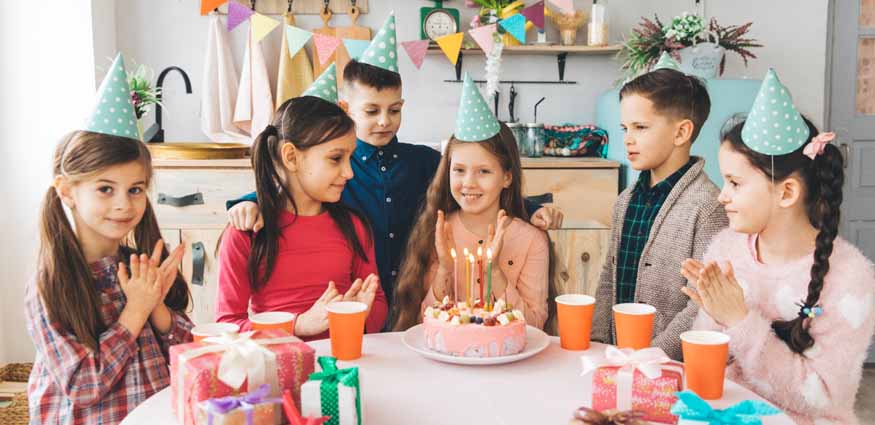
An exceptional children party achieves a perfect equilibrium between structured activities and spontaneous fun. By incorporating age-appropriate boundaries, utilizing safe materials, and fostering an inclusive environment, hosts can ensure that every child leaves with a smile. This guide outlines practical, thoroughly tested strategies to execute games that are highly engaging, physically secure, and completely stress-free for organizers.
The Core Pillars of Safe Game Curation
Before selecting individual activities, establishing a physical environment that prioritizes child wellness is vital. Safety does not require compromising on excitement; rather, it provides a stable framework within which fun can thrive naturally.
Conducting a Thorough Venue Assessment
Whether hosting at home, in a backyard, or within a rented community hall, a comprehensive safety sweep is the first line of defense. Remove any furniture with sharp edges or cover corners with soft foam padding. Secure loose rugs with non-slip backing and eliminate tripping hazards such as exposed extension cords or decorative floor items. If the party extends outdoors, mark clear boundaries so children know exactly where the safe play zone ends. Check the grass for hidden holes, sharp sticks, or pet waste before guests arrive.
Material and Prop Selection
The items utilized during gameplay must be scrutinized carefully. Avoid hard plastics, heavy wooden objects, or items with small, detachable parts that pose choking hazards for younger siblings. Instead, prioritize soft foam balls, durable balloons, inflatable props, and lightweight cardboard fabrications. When planning crafts or sensory experiences, ensure all markers, glues, and paints are labeled non-toxic and washable.
High-Engagement, Low-Risk Classic Variations
Classic party games have endured for generations because their mechanics are easy to grasp. With subtle modifications, these traditional activities can be transformed into ultra-safe, highly modern experiences.
The Freeze Dance Adventure
Traditional musical chairs can occasionally lead to collisions or tears when children scramble for a limited number of seats. Freeze Dance eliminates the competitive friction while retaining the auditory excitement. To execute this safely, give each child a dedicated spot marker, such as a colorful rubber poly spot or a foam square flat on the floor, spaced at least three feet apart. When the music plays, children dance within their designated zone. When the music pauses, they must freeze like statues. This format guarantees every child has an equal space, preventing accidental head bumps or shoves.
The Cooperative Treasure Hunt
Competitive scavenger hunts can encourage reckless sprinting through confined spaces. Transitioning this concept into a collaborative mission alters the dynamic beautifully. Present the children with a unified goal, such as finding the missing puzzle pieces hidden throughout a designated room to complete a grand map. By working together, the focus shifts from individual speed to collective problem-solving. This approach naturally slows down physical pacing, minimizes chaotic running, and ensures that introverted or less physically active children participate fully.
Active Outdoor Games to Maximize Energy Burn
When space permits, outdoor environments offer excellent opportunities for larger physical movements. Managing these expansive spaces requires clear rules and structured boundaries.
Giant Bubble Mastery
Water-based games can sometimes lead to slick surfaces, but bubble activities provide a magical alternative without major slipping risks. Using large cotton loops and child-friendly dish soap solutions, organizers can create giant, drifting bubbles. Children are tasked with chasing and popping them using only specific parts of their bodies, such as their elbows, knees, or heads. This game encourages rapid movement, spatial awareness, and vertical leaping while keeping the children spread out across an open lawn rather than clustered tightly together.
The Soft-Obstacle Training Camp
Obstacle courses are inherently exciting but can be hazardous if constructed from rigid materials. Build a safe course using pop-up mesh tunnels, large couch cushions, foam yoga blocks, and hula hoops lying flat on the grass. Instead of timing the children competitively, which causes rushed movements, frame the course as a stealth mission where they must navigate the elements quietly and smoothly. This emphasis on control rather than raw speed reduces the likelihood of slips and falls.
Managing Social and Emotional Safety
Physical safety is only one half of the equation; protecting the emotional well-being of young guests is equally paramount. Games that feature early elimination can cause children to feel isolated or embarrassed, leading to a dip in overall party morale.
The Non-Elimination Policy
When adapting games like Duck, Duck, Goose or Hot Potato, remove the traditional elimination aspect. Instead of sending a child to sit on the sidelines when they are caught, give them a fun, brief role that keeps them in the center of the action. For instance, in a modified Hot Potato game, the child holding the object when the music stops can choose the dance movement or sound effect for the next round. Keeping everyone active maintains a high collective energy level and prevents feelings of exclusion.
Token and Reward Distribution
Tying prizes exclusively to winning individual games can breed unhealthy jealousy and behavioral issues. A more effective approach involves awarding tokens or stamps to all participants for effort, teamwork, or positive cheering. At the conclusion of the activities, every child can exchange their collected tokens for a standardized favor bag. This ensures that rewards are associated with participation and community rather than cutthroat competition.
Frequently Asked Questions
How do you manage a wide age gap among children during the same party game?
The most effective method is utilizing tiered roles within a single game. For example, during a scavenger hunt, older children can be tasked with reading clues and navigating, while younger children are responsible for physically spotting and retrieving the hidden items. This structure keeps everyone engaged without frustrating older kids or overwhelming younger ones.
What should be the maximum duration for a single organized game session?
Children attention spans vary, but a solid guideline is to keep individual games between ten and fifteen minutes long. It is always better to end a game while the children are still enjoying it rather than letting it drag on until they become bored, restless, or irritable, which is often when behavioral issues arise.
How can introverted or sensory-sensitive children be integrated comfortably?
Create an official, alternative sensory decompression station near the main play area. Equip this space with coloring sheets, play dough, or soft building blocks. Allow children to opt out of high-energy games and transition to this quiet zone without making them feel isolated or pointing out their departure publicly.
What steps should be taken if a child refuses to follow game safety guidelines?
Address the behavior immediately but calmly using positive redirection. Instead of issuing a public reprimand, pull the child aside briefly and frame the rule around the well-being of their friends. Give them a specific, important task, such as helping you hand out props, to channel their leadership energy productively.
How do you prevent food-related energy crashes during active play?
Schedule high-energy games prior to serving heavy meals or sugary desserts. Running around immediately after eating can cause stomach discomfort or lethargy. Provide accessible hydration stations with water or diluted juices throughout the play session to keep children refreshed and energized.
What is an appropriate ratio of adult supervisors to children for active games?
For toddlers aged two to four, a ratio of one adult for every three to four children is ideal. For school-aged children from five to ten, one adult can comfortably monitor up to eight to ten participants. Ensure that designated adult supervisors are focused solely on safety observation rather than capturing photos or managing catering logistics.
