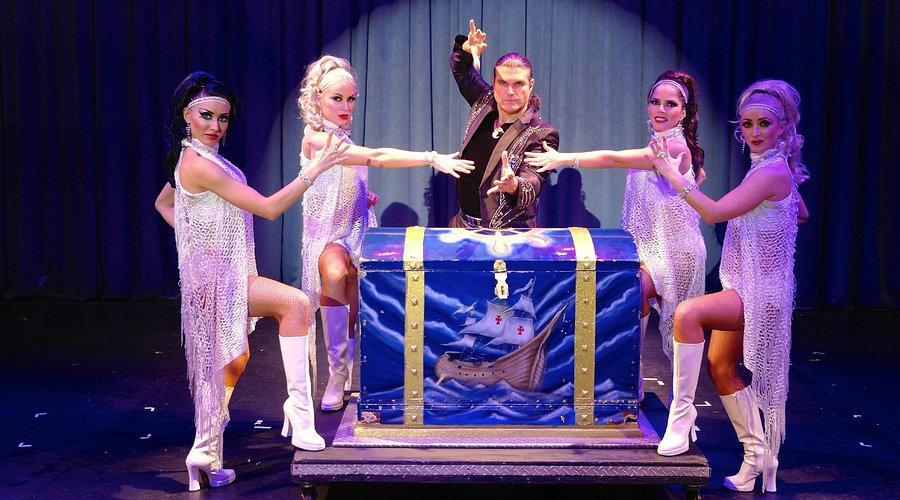
The allure of a live magic show has captivated human audiences for centuries. From ancient street performers to the grand, technically sophisticated illusions of modern theater, magic remains a unique medium of entertainment that transcends age, culture, and language. At its core, a magic show is not merely about deceiving the eyes. It is an intricate blend of theater, psychology, engineering, and storytelling that challenges our perception of reality.
When an audience watches a magician perform, they are entering into a unique psychological contract. The spectators know that what they are witnessing cannot be real, yet they willingly suspend their disbelief to experience a sense of wonder. Exploring the inner workings of this fascinating art form reveals how modern illusionists blend classical techniques with cutting-edge technology to keep audiences spellbound.
The Neurobiology of Deception
The success of any magic show relies heavily on how the human brain processes visual and auditory information. Magicians are, in many ways, intuitive cognitive scientists who exploit the natural limitations and shortcuts of human perception.
The Power of Misdirection
Misdirection is the foundational pillar of all magical illusions. It is a common misconception that magicians are simply faster than the human eye. In reality, a well-executed illusion relies on directing the audience attention away from the secret action and toward a focal point of high interest.
-
Overt Misdirection: This involves a physical action that demands attention, such as a sudden loud noise, a bright flash of light, or a sweeping gesture made by the performer.
-
Covert Misdirection: This is far more subtle and relies on psychological manipulation. For example, if a magician looks intently at their right hand, the audience will instinctively follow their gaze, allowing the left hand to execute a secret move completely unnoticed.
Inattentional Blindness
Human beings are incapable of processing every single detail within their visual field simultaneously. The brain uses a selective filtering process known as change blindness or inattentional blindness to focus on what it perceives as the most relevant information. Magicians structure their performances to fit seamlessly within these cognitive blind spots, ensuring that even when a secret action happens in plain sight, the audience brain fails to register it.
Classifying the Illusions
While every magician brings a unique personal flair to the stage, the vast majority of illusions performed in a modern magic show can be categorized into a few classic effects. Understanding these categories helps demystify the structure of a professional performance.
Vanishes and Productions
The most basic yet impactful magic effects involve making an object appear out of nowhere or disappear into thin air. A production might involve producing a live dove from a silk handkerchief, while a vanish could involve making a large birdcage or even an assistant disappear from the center of an open stage. These effects rely heavily on specialized lighting, hidden compartments, and precise angles.
Levitation and Suspension
Defying gravity is an ancient human fascination that always elicits gasps from an audience. In a magic show, a suspension occurs when an object or person remains stationary in mid-air while supported by an seemingly inadequate prop, such as a single broomstick. A true levitation goes a step further, showing the performer or an assistant rising smoothly into the air and moving horizontally or vertically without any visible connection to the stage.
Penetration and Restoration
Penetration effects involve passing one solid object completely through another without causing any permanent damage, such as linking solid steel hoops together. Restoration effects take this concept a step further by visibly destroying an object, such as tearing a playing card, cutting a rope, or sawing an assistant in half, and then miraculously restoring the item or person to its original, pristine condition before the eyes of the crowd.
Technical Infrastructure and Stage Design
The grand illusions seen in modern theater productions require a massive amount of hidden technical infrastructure. Behind the velvet curtains of a magic show lies a highly engineered environment designed to manipulate light, shadow, and perspective.
The Role of Theatrical Lighting
Lighting is arguably the most critical technical component of a major illusion show. Lighting designers use specific angles and color temperatures to control what the audience can see. Black art technology, for example, utilizes ultra-black velvet backdrops combined with precise overhead downlighting. This creates areas of absolute shadow on the stage where assistants or mechanical props can move in complete invisibility just inches away from the performer.
Angle Control and Sightlines
When building a custom illusion, engineers must calculate the exact sightlines of the theater. Every seat in the auditorium, from the front row center to the highest balcony, must be taken into account. Hidden mirrors, false floors, and deceptive geometry on stage props are meticulously angled to ensure that secret compartments remain completely hidden from every possible viewing perspective.
The Evolution of Corporate and Close-Up Magic
As consumer preferences have shifted, the magic industry has evolved beyond large-scale stage productions to embrace more intimate, interactive formats that bring the illusion directly to the spectator.
| Magic Format | Performance Environment | Core Props Utilized | Primary Business Application |
| Grand Illusion | Large theaters, cruise ships, and casinos | Large mechanical boxes, vehicles, lighting rigs | Ticketed public entertainment and tourism |
| Close-Up / Sleight of Hand | Cocktail receptions, dinner tables, private suites | Playing cards, coins, borrowed smartphones | Corporate networking and private celebrations |
| Mentalism | Corporate boardrooms and intimate theaters | Notepads, envelopes, psychological cues | Executive retreats and high-end brand activations |
| Trade Show Magic | Exhibition halls and convention centers | Customized branded products and digital screens | Lead generation and attendee attention capture |
The Mentalism Phenomenon
In recent years, a sub-genre of magic known as mentalism has experienced a massive surge in global popularity. Unlike traditional magicians who use physical props like cards and boxes, mentalists claim to read minds, predict future outcomes, and influence human decisions using purely psychological techniques.
Cold Reading and Body Language
Mentalists are master observers of human behavior. They utilize a technique known as cold reading, analyzing micro-expressions, vocal inflections, clothing choices, and posture to make highly accurate deductions about a stranger past, profession, or current thoughts. By stating broad truths that apply to almost anyone and narrowing them down based on the subject physical feedback, the mentalist creates the compelling illusion of true telepathy.
The Art of Psychological Forcing
A psychological force occurs when a performer guides a participant to make a specific choice while giving them the absolute illusion of complete free will. Through subtle verbal phrasing, rhythmic pacing, and physical gestures, a mentalist can prime a participant brain to think of a specific number, country, geometric shape, or celebrity name long before the question is even asked on stage.
Frequently Asked Questions
What is the historical origin of the classic magician top hat trick?
The famous illusion of pulling a live rabbit out of a top hat was popularized in the nineteenth century by a French magician named Louis Comte. The trick utilizes a specialized hidden pouch attached to the back of the performance table. While the audience is distracted by the showmanship, the magician discreetly loads the live animal into the inverted hat using swift, practiced movements.
Why do magicians use assistants during large-scale illusions?
Stage assistants are vital components of the performance, acting as highly trained co-performers rather than simple helpers. Assistants are often responsible for executing the mechanical movements of an illusion from inside a prop, managing hidden trap doors, and using their own body language to assist with the necessary misdirection on a busy stage.
How long does it take to master advanced sleight of hand techniques?
Mastering professional sleight of hand requires an immense commitment to deliberate practice. While a basic card trick can be learned in a few hours, achieving the muscle memory required to manipulate objects flawlessly under intense scrutiny typically takes several years of daily practice, often stretching into a decade for world-class competency.
What is the Magic Castle, and why is it significant?
The Magic Castle is a private, exclusive clubhouse located in Hollywood, California, that serves as the ceremonial home of the Academy of Magical Arts. It is globally recognized as a premier venue for the preservation and advancement of the art of magic, requiring an invitation from a member to enter and showcasing performances from top international illusionists.
Do magicians ever reveal their secrets to the public?
As a rule of professional ethics, magicians do not reveal their secrets to the public, as exposure destroys the sense of wonder that the art form provides. However, instructional materials are legally and ethically shared within the magical community through specialized magic shops, literature, lectures, and private conventions to ensure the art continues to progress.
How has modern technology impacted the creation of new magic tricks?
Technology has expanded the toolset available to modern illusionists. Magicians now routinely incorporate custom smartphone applications, digital projection mapping, smart fabrics, and miniature electromagnets into their routines. This allows them to perform classical effects under completely unprecedented conditions, such as making an object levitate without any physical props.
What should an audience member do if they spot how a trick is performed?
The polite protocol is to keep the observation private and allow fellow audience members to enjoy the performance without interruption. Appreciating a magic show involves enjoying the theatrical narrative and the skill of the performer; yelling out a secret mechanism mid-show disrupts the collective experience and ruins the entertainment value for everyone in the theater.
