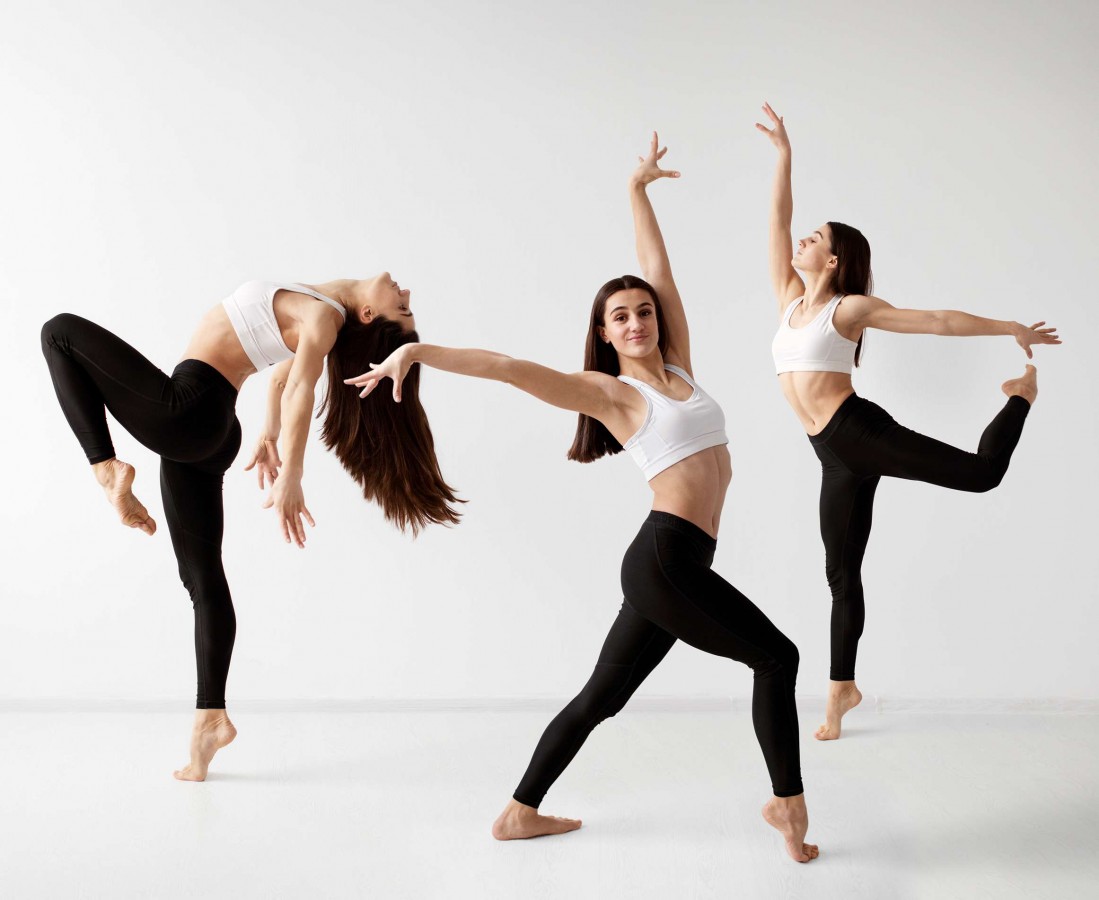
Dance, one of the oldest and most universal forms of human expression, transcends cultural boundaries, acting as a bridge between emotions, stories, and the soul. Across centuries and civilizations, dance has been used for ritualistic purposes, as a form of entertainment, and as a means of personal or communal expression. In its many forms, dance unites people, enriches cultures, and deepens our understanding of the human experience. Whether it is the graceful movements of ballet, the passionate rhythms of flamenco, or the electrifying beats of hip hop, dance has the power to speak when words fail, creating a language of its own.
At its core, dance is the embodiment of movement, but it is also the embodiment of feeling. A dancer’s body becomes a canvas, with each movement telling a story. From the delicate pirouettes of a ballerina to the powerful thrusts of a contemporary performance, dance allows individuals to convey the deepest parts of themselves, often capturing emotions that are difficult to articulate. In this sense, dance serves as an intimate dialogue between the dancer and the audience, a silent conversation where the message is transmitted through the body’s gestures, posture, and energy.
The Evolution of Dance: From Ritual to Performance
Historically, dance has held a profound place in various societies. In ancient cultures, it was often used in religious or spiritual contexts. The Egyptians, for example, incorporated dance into their elaborate religious ceremonies, while early Greek civilization celebrated dance as part of theatrical performances, where it played a crucial role in storytelling. Dance was also a central element in African tribal rituals, often performed to honor ancestors or invoke the spirits, with movements designed to communicate specific messages to the divine.
As civilizations evolved, so did the role of dance. The Renaissance period brought dance into the realm of courtly entertainment, where nobles would gather to display their grace and skill through highly stylized and choreographed movements. By the 19th century, the emergence of ballet, especially in Russia and France, marked a golden age for the art form. Ballet became a sophisticated discipline, with its codified techniques, graceful leaps, and expressive use of the human form, all designed to evoke a range of emotions and narratives.
In contrast, the 20th century saw the rise of modern and contemporary dance. Influenced by the sweeping social changes of the time, these forms of dance sought to break free from the constraints of classical ballet. Pioneers like Martha Graham and Isadora Duncan focused on the natural movements of the human body, using dance as a means to express individual freedom and defy traditional norms. As modern dance evolved, it incorporated diverse influences, from African and Latin American rhythms to jazz, resulting in a fusion of styles that reflects the ever-changing cultural landscape.
Dance as a Social and Cultural Connector
Beyond the individual, dance is an inherently social activity. In many cultures, dance functions as a communal ritual, a way to come together and celebrate shared experiences. The circle dances of indigenous peoples, the lively tango in Argentina, or the exuberant samba of Brazil all serve as unifying experiences that bond people. Even in more contemporary settings, dance remains a powerful social tool—think of the global phenomenon of social dance floors, where individuals from diverse backgrounds come together to move to the same beat.
One of the most fascinating aspects of dance is how it adapts to and reflects the changing values, struggles, and aspirations of societies. Consider the evolution of popular dance forms like hip hop, which emerged in the streets of New York City during the late 1970s. Born out of a desire for self-expression and resistance, hip hop dancing became a symbol of empowerment and a channel for youth to convey their experiences, particularly those related to urban life, identity, and social struggles. Over time, hip hop has grown into a global phenomenon, influencing not only dance but also fashion, music, and art.
Similarly, in the context of modern social movements, dance has been used as a tool for political activism. The dances of the Civil Rights Movement in the United States, for example, were often forms of resistance and solidarity. Through music and movement, individuals and communities could express their defiance against oppression, while also celebrating their culture and identity. The power of dance in these contexts lies in its ability to bring people together and create a collective sense of purpose.
Dance as a Medium for Physical and Mental Well-being
While the emotional and cultural significance of dance is often highlighted, its physical and mental health benefits cannot be understated. Dance is an exceptional form of exercise, engaging nearly every part of the body and helping to improve flexibility, strength, and coordination. Whether one is engaging in the precise movements of ballet or the improvisational flows of modern dance, the physical benefits are profound. Dance increases cardiovascular health, tones muscles, and improves posture. For older adults, it offers a low-impact way to stay active, promoting balance and reducing the risk of falls.
Additionally, dance has been shown to have significant mental health benefits. The act of dancing releases endorphins, the body’s natural “feel-good” hormones, which can reduce stress and anxiety. Dance also fosters a sense of mindfulness, as dancers must focus on their movements, rhythms, and breath, bringing them into the present moment. For many, dance serves as a form of emotional release, allowing them to process and release feelings that may otherwise be suppressed. It also helps with cognitive function, especially in older adults, by engaging both the body and mind in complex coordination.
The Future of Dance
As we move into an increasingly digital and interconnected world, the future of dance is bound to be shaped by new technologies and platforms. Virtual reality (VR) and augmented reality (AR) offer exciting new ways for people to experience dance performances, while social media platforms like TikTok have democratized dance, allowing anyone with an internet connection to share their moves and become part of global trends. Furthermore, innovations in motion capture and digital choreography promise to revolutionize how we think about dance in the digital age.
However, despite the evolution of technology, the essence of dance remains unchanged. It is a medium that speaks to the heart and connects the human spirit to something beyond the material. Whether it is through a well-rehearsed ballet performance or an impromptu street dance, the act of dancing continues to be an expression of joy, resilience, creativity, and unity.
In conclusion, dance is much more than a physical activity. It is an art form, a social connector, a cultural mirror, and a means of personal transformation. Its enduring presence in human societies speaks to its power to bridge gaps, express complex emotions, and enhance the quality of our lives. Dance, as a language of movement, speaks in ways that words cannot, offering a timeless mode of expression that will continue to evolve and inspire future generations.
