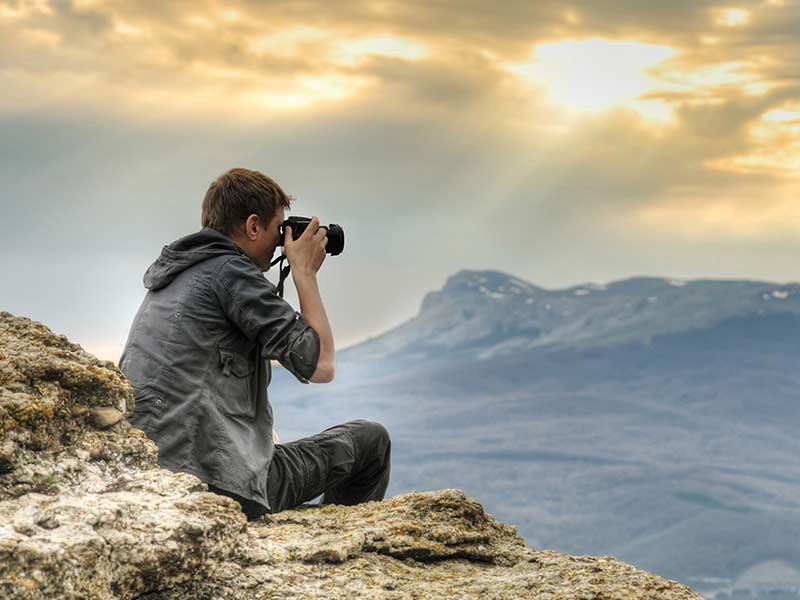
Photography, an art form that has evolved tremendously since its invention in the early 19th century, has become an integral part of our lives. With the advent of smartphones, the accessibility of high-quality cameras, and the widespread use of social media, almost everyone today considers themselves a photographer. Yet, despite the ubiquitous presence of cameras, true photography remains an art form that goes beyond mere technicality; it is a way to capture the world, tell stories, and preserve fleeting moments in time. In this article, we will explore the profound impact of photography, its evolution, and the unique ways it allows us to see the world through a different lens—literally and figuratively.
The Evolution of Photography: From Film to Digital
The journey of photography began with the invention of the daguerreotype in 1839, a photographic process that used metal plates and mercury vapor to produce one-of-a-kind images. Though rudimentary by today’s standards, the daguerreotype revolutionized the way we viewed the world. It was no longer necessary to rely on paintings or sketches to record reality; now, a camera could capture moments with an uncanny precision. In the decades that followed, the development of film photography allowed people to capture multiple images on rolls of film, making photography even more accessible.
However, it was the arrival of digital photography in the late 20th century that truly changed the landscape. Digital sensors replaced film, and photographers could now take an infinite number of shots, review them instantly, and make adjustments on the fly. The shift from film to digital photography was transformative—not only in terms of technology but also in how we approach the art. Digital photography opened the door for amateur photographers to explore the medium, leading to an explosion of creativity, accessibility, and global sharing. With the rise of the internet, photography became a universal language, capable of crossing borders and connecting people through visual storytelling.
Photography as Storytelling: A Snapshot of Human Experience
At its heart, photography is a powerful tool for storytelling. A single image can evoke emotions, provoke thought, and capture the essence of a moment. Whether it’s the joy of a wedding, the stillness of a sunset, or the candid laughter of a child, a photograph has the ability to immortalize moments that would otherwise fade with time. Through photography, we are able to share personal experiences, comment on societal issues, and document history.
Consider the work of iconic photographers like Henri Cartier-Bresson, whose street photography captured the decisive moment—the instant when all elements of a scene fall into place, creating a powerful visual narrative. His images not only documented everyday life but also conveyed the complexities of human emotion and experience. Similarly, photojournalists have long used the camera as a tool for social change, documenting wars, protests, and moments of crisis to inform the public and raise awareness about pressing issues.
In the realm of portrait photography, the ability to capture the essence of a person—whether through a posed shot or an unposed candid moment—is another example of how photography tells stories. A portrait can convey a wealth of information about a subject’s personality, background, and emotional state. For example, the famous portrait of Albert Einstein sticking out his tongue, taken by photographer Arthur Sasse, shows a playful side of the scientist that contrasts with his usual public persona. The power of portraiture lies in its ability to reveal layers of a person’s character that words may fail to express.
The Aesthetic and Emotional Power of Photography
While photography is often associated with storytelling, it is equally revered for its aesthetic qualities. The skillful use of light, color, texture, and composition can elevate a photograph into a work of art. A photographer, much like a painter, carefully considers the frame, choosing what to include and exclude to guide the viewer’s eye and create a harmonious composition. The decision to focus on a particular detail or blur the background, the use of shadows to create drama, or the intentional overexposure to evoke a sense of nostalgia—these are all creative choices that transform an image into something more than a mere representation of reality.
Photography also has an emotional impact that words cannot always capture. The careful arrangement of elements in a photograph can evoke nostalgia, peace, joy, or even sadness. Take, for example, the use of black-and-white photography to convey timelessness or raw emotion. In the absence of color, light and shadow become more pronounced, often emphasizing the subject’s vulnerability or strength. Iconic images, like the haunting photos from the Great Depression captured by Dorothea Lange, evoke profound empathy and a deep connection to human suffering, even decades after they were taken.
In nature photography, the interplay of light and landscape can create images that inspire awe and wonder. A perfectly timed photograph of a mountain peak bathed in golden hour light or the delicate wings of a butterfly illuminated against a green leaf has the power to transport the viewer into that moment, evoking the peace and beauty of the natural world. It is through these images that we develop a deeper appreciation for our environment and the fleeting beauty it offers.
The Democratization of Photography: Accessibility and Self-Expression
One of the most significant changes brought about by digital photography is the democratization of the medium. With smartphones now equipped with powerful cameras, nearly everyone has access to the tools required to capture high-quality images. This shift has fundamentally altered the way we engage with photography—no longer confined to professional photographers or those with specialized equipment, photography has become an accessible and everyday tool for self-expression.
Social media platforms like Instagram and Flickr have become hubs for photographers to share their work, gain followers, and connect with like-minded individuals. For many, photography has become a means of personal expression, a way to communicate emotions and ideas through images rather than words. For others, it serves as a platform to showcase creative work or establish a professional presence. The ability to curate a portfolio, gain feedback, and connect with an audience has made photography an empowering tool for individuals seeking recognition or simply wanting to share their perspective.
However, with the proliferation of images online, there is also a growing awareness of the need for authenticity in photography. The saturation of perfectly curated, highly-edited photos has sparked conversations about the role of filters, Photoshop, and other digital manipulations in the portrayal of reality. In an age of image oversaturation, there is a movement toward embracing raw, unfiltered moments—those that speak to the real, unpolished beauty of life. Many photographers now focus on documenting unposed, genuine interactions, offering a refreshing counterpoint to the glossy, idealized images that often dominate social media.
Photography and Memory: Preserving Moments for the Future
Perhaps one of the most profound aspects of photography is its ability to preserve memories. A photograph freezes a moment in time, allowing us to revisit it years later and recall emotions, details, and experiences that may have otherwise slipped through the cracks of our memory. Family photographs, for example, serve as a visual history of our lives, a way to remember loved ones, significant milestones, and the passage of time.
In a broader sense, photography has played a pivotal role in shaping collective memory. From the iconic images of the civil rights movement to the first photographs of the moon landing, photographs serve as historical documents that allow future generations to understand and reflect on the past. In this way, photography connects us to both our personal history and the larger story of humanity.
Conclusion: The Enduring Power of Photography
In an age of constant change, photography remains a constant—a tool that allows us to pause, reflect, and connect with the world around us. It is a medium that celebrates both the simplicity and complexity of life, capturing everything from fleeting moments of joy to profound reflections on the human experience. Photography enables us to tell stories, convey emotions, and preserve memories for generations to come. Whether through a well-composed landscape, a spontaneous street shot, or a portrait of a loved one, photography continues to captivate, inspire, and remind us of the beauty of the world we live in.
